Botox is a simple word for a sophisticated tool. In the right hands, botulinum toxin injections can soften lines, rebalance expression, and refine facial contours without flattening personality. The difference between a frozen forehead and a refreshed one is rarely the brand, almost always the plan. Personalized dosing and placement turn a generic cosmetic injectable treatment into a precise, repeatable craft.
I have spent years calibrating neuromodulator injections in real faces, not textbook diagrams. No two brows move alike. No two foreheads rise in the same pattern. Muscle strength, skin thickness, collagen quality, bone structure, and even habits like squinting at a laptop all shape how cosmetic botox behaves once it reaches the neuromuscular junction. The aim is consistency with room for nuance. That is what personalized botox treatment delivers.
What personalization actually means
Personalized botox injections are more than “a few units less.” They are a tailored map of dose, dilution, and exact injection points based on how your muscles animate and how you want to look when you are not thinking about it. We evaluate the full face in motion, then choose a dose range and pattern to achieve wrinkle softening without blunt force.
For a typical upper face botox session, I track how the frontalis lifts, where the corrugators pull, and whether the procerus contributes. Some people have a strong central frontalis with minimal lateral movement, which guides dosing toward the middle; others have distinct lateral bands that need attention to avoid a peaked or arched “Spock” brow. The same logic applies to crow’s feet, chin dimpling, gummy smile correction, and masseter botox for jawline shaping.
Personalization also includes timing. If you metabolize botulinum toxin quickly, we plan shorter intervals. If your first treatment creates subtle asymmetry when you smile or raise your brows, we make careful micro-adjustments at the follow up, then lock that learning into your next treatment map.
How dose relates to muscle strength and anatomy
With botulinum toxin injections, dose is not about bravery or thrift. Each muscle has a threshold dose to reliably relax. Go below it and you see minimal change. Go above it and you over-treat, risking heaviness or a flat look. The sweet spot varies.
- A small frontalis with fine lines might need 6 to 10 units across the forehead to soften horizontal lines while preserving lift. A strong frontalis on a tall forehead often needs 12 to 20 units, distributed to match the vector of movement, not just sprinkled in a grid. For frown lines, corrugators vary wildly. A subtle frown might respond to 8 to 12 units shared across corrugators and procerus. A habitual scowler can need 16 to 25 units to stop the deep “11s.” Crow’s feet tend to respond to 6 to 12 units per side depending on orbicularis strength and skin quality. Masseter botox for jaw slimming usually begins around 20 to 30 units per side for a first session, then refines based on chewing function and aesthetic goals. A bruxer with hypertrophy may need higher totals or staged dosing.
These are ranges, not prescriptions. They shift with brand potency, dilution, injection depth, and your baseline muscle mass. Athletes and those with robust facial musculature often need more. Lighter doses suit baby botox, preventative botox, and anyone seeking very subtle botox results that keep every expression intact while reducing etching over time.
Mapping placement to expression patterns
A patient once came in worried that botox would rob her of her arty, inquisitive look. Her brows lifted laterally when she spoke. If I dropped units too low in that lateral frontalis, I would cancel her signature gesture. Instead, I placed fewer units laterally and concentrated centrally to soften lines without changing her natural “yes?” expression. She left with wrinkle reduction and the same language in her face.
Another case involved a software engineer who frowned through every debugging session. His corrugators were bulky and asymmetric, with the right side pulling more aggressively. He needed targeted botox for frown lines with a slightly higher dose on the right and a careful dose in the procerus. We also set a lighter touch in the frontalis to keep brow support, which prevented a flattened look when he lifted his brows to focus on code.
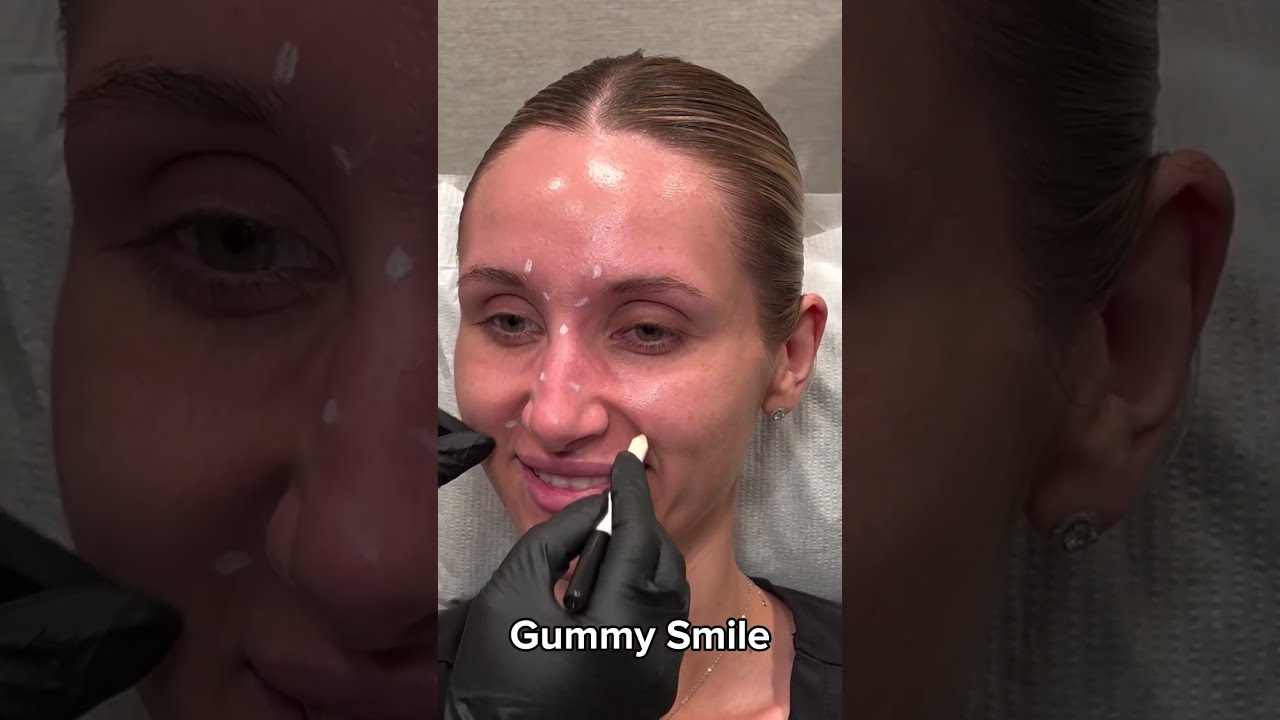
This is the work: translate movement into a plan. Study the baseline and imagine how blocking one vector will redirect the others. Good facial botox is choreography.
Baby botox, micro dosing, and the art of prevention
Preventative botox and baby botox have a place, especially in patients with strong movement and early static lines. The goal is to reduce repetitive folding of the skin before creases stamp in. Baby botox uses micro injections, often 1 to 2 units per point, placed precisely to soften without immobilizing. The skin benefits because the underlying crease gets a break, and over time collagen loss slows in those high-movement zones.
That said, baby dosing in a powerful muscle rarely holds. If you are in your mid 30s with deep forehead lines cut into thicker skin, micro doses can underperform and lead to a short-lived result. In those cases, I use standard dosing to get control first, then taper down over a few cycles to find your long lasting botox balance.
Designing a natural looking upper face
Forehead lines, frown lines, and crow’s feet are often treated together, but they are not independent. When you relax the glabella (corrugators and procerus), the frontalis lifts more freely, which can create a surprise brow if the frontalis stays too strong. Conversely, if you relax the frontalis without treating a strong glabella, the brow can feel heavy because the downward pull still dominates. Personalized botox injections look at the interplay and adjust both areas together.
Crow’s feet response depends on smile patterns and eye support. Some patients show lines mostly on the upper third of the lateral orbicularis. Others bunch skin lower across the zygoma. Precise placement around the lateral canthus and a bit posterior to the orbital rim reduces wrinkling while preserving cheek elevation during a smile. Over treating here can narrow the eyes and rob the smile of warmth. The aim is skin smoothing injections, not a mask.
The subtlety of a botox brow lift
A botox brow lift relies on balancing elevators and depressors. Treating the tail of the orbicularis oculi and the lateral portions of glabellar depressors can allow a small lateral brow rise. Gentle placement in the upper lateral frontalis may further refine the arch. The lift is measured in millimeters, but on camera and in person, those millimeters read as alert and rested. This is precision botox treatment, where one or two units in the wrong spot can tip the brow awkwardly. The solution is careful mapping and a conservative approach with planned review.

Lower face finesse: smiles, lips, and chins
Lower face botox is not for beginners. The orbicularis oris, DAO, DLI, mentalis, and platysma all contribute to expression, speech, and lip control. When treated by a licensed botox injector with experience, results can be elegant.
For a gummy smile, micro doses to the levator labii superioris alaeque nasi can reduce excessive lift while preserving fullness. For lip lines, very small units along the upper lip border soften etching and can support a gentle lip flip without impairing enunciation. Chin dimpling responds well to mentalis treatment, smoothing pebbled texture and softening a witch’s chin tendency. Each requires careful dosing, often 4 to 10 units shared across points, and a conservative start, because over-relaxation here is noticeable in speech and eating.
Neck lines and platysmal bands are their own territory. Botulinum toxin treatment for vertical bands can soften the neck and subtly define the jawline, but dosing must respect swallowing mechanics. I map bands with the patient activating the platysma, then place small aliquots along each band. Anyone with a history of dysphagia or voice concerns needs cautious dosing or an alternate plan.
Masseter botox for function and contour
Masseter injections serve two masters: aesthetics and function. Many patients come in for jaw slimming botox after years of clenching. Hypertrophic masseters square the face and contribute to tension headaches. Therapeutic botox in the masseters diminishes clenching intensity, often reducing morning jaw soreness within a week or two, with visible slimming over 6 to 10 weeks as the muscle atrophies slightly. Dosing is mapped to the bulk of the muscle and its zones of maximal contractility. I palpate while you clench, mark three or four sites per side, and avoid the parotid duct and zygomatic branches of the facial nerve.

We discuss chewing strength and dietary habits beforehand. If you eat lots of hard foods or gum, you may notice a change in bite pressure. The majority adapt within a week. If functional change feels bothersome, we reduce dose or adjust placement at the next botox appointment. For symmetry, I photograph before and after with standardized angles. The most gratifying series is a clenched smile on day 0 and the same photo at 12 weeks, where the lower face looks lighter, the angle of the mandible clearer, and the tension gone from the eyes.
Skin quality, not just muscle motion
Dynamic wrinkle treatment focuses on muscle, but the canvas matters. Thin, sun-damaged skin shows lines earlier and needs less dose for visible benefit, though it also benefits from complementary skin rejuvenation strategies. Patients with thicker, sebaceous skin often need a higher dose to control movement, but the lines themselves may be shallower because the dermis is sturdier.
I often pair neuromodulator injections with topical retinoids, sunscreen discipline, and targeted energy devices. Botox skin treatment does not replace collagen remodeling or pigment correction. It removes the repetitive fold that deepens a line, then the skin’s innate healing and any supportive treatments do the rest.
Brand nuances and unit math
The market offers several FDA-cleared neuromodulators for wrinkle relaxing therapy. Unit equivalence is not one-to-one across all products, although two of the major brands are commonly treated as comparable unit for unit in clinical practice. Some products diffuse slightly more, which can be helpful in broader areas like the forehead and less desirable near delicate functions like the mouth.
Your injector’s comfort with a brand matters more than the advertisement. I keep consistent technique per product and adjust dilution to suit the task, using higher concentration for tight control near the brows and a standard dilution for the larger fields of the forehead. The goal is predictable onset in 3 to 7 days, smooth peak at 2 weeks, and steady fade by 3 to 4 months. Some patients report longer duration with reduced movement over time after several cycles, particularly in the glabella.
Building your personal dosing map
A personalized plan begins with a thorough botox consultation. I ask what bothers you first, then what you like about your expressions. We review medical history, previous botox results, and any issues such as eyelid heaviness or headaches after past treatments. I watch your face at rest, then in motion, asking for brows up, brows down, big smile, tight eyes, pursed lips, and chin activation. I mark where the skin folds, how the muscle edges look, and which side dominates.
The first botox procedure serves as a baseline test. I would rather start a touch conservative in a delicate zone than overshoot. We schedule a two week review to assess symmetry and function. Any small newbeautycompany.com botox FL imbalances get micro corrections. I document the exact units, points, and your feedback on feel and look. That becomes your dosing map, which we refine across sessions until it delivers consistent, natural results for your anatomy and lifestyle.
Managing expectations and edge cases
Every face has constraints. Heavy lateral brows with thin skin may not tolerate aggressive frontalis treatment without a sense of heaviness, so we pivot to a lighter forehead plan and support a lift with careful glabellar treatment and possibly brow shaping or skin tightening. Very deep etched lines, especially horizontal forehead or vertical “11s,” can remain faint at rest even with excellent movement control. Those lines represent skin changes, not only muscle motion. Pairing neuromodulator injections with resurfacing or biostimulators can help.
Asymmetry is normal. Most people have a higher brow or a stronger eye. Perfect symmetry looks odd. The task is harmonious balance, not mirror copying. Scars, prior surgery, eyelid ptosis, or a short philtrum change the rules. A conservative, staged approach keeps treatment safe and attractive in these contexts.
Safety first and why technique matters
Safe botox injections come down to anatomy respect, sterile technique, and restraint. The forehead sits over the frontalis, but the nerves supplying eyelid elevation are unforgiving if product finds the wrong plane or diffuses too low. In the lower face, the risk is functional, not just aesthetic. Slurred speech or asymmetric smile is unacceptable. A certified botox provider knows where to avoid, how to angle the needle, how deep to go, and how to dilute for the task.
Adverse effects are uncommon but possible. Mild bruising, a headache in the first 48 hours, or tenderness at injection sites happens occasionally. Eyelid or brow ptosis is rare and usually self-limited as the product wears down. If it occurs, we manage with time, targeted drops that stimulate Müller’s muscle, and supportive care. Choosing an experienced injector reduces the risk materially.
Maintenance and longevity without overdoing it
A lot of marketing promises long lasting botox. The average duration for most zones is about 3 to 4 months, longer in the glabella for some patients, shorter around the mouth due to constant movement. Metabolism, dose, and muscle strength drive variability. Regular botox maintenance treatment can soften muscle strength over time, stretching intervals. The smartest cadence is the one that keeps you happy without forcing dependency or over-relaxation. Some patients alternate zones per session to avoid cumulative heaviness. Others maintain low-dose, high-frequency plans to keep facial line smoothing treatment steady while preserving spontaneity.
If you are preparing for an event, schedule your botox session at least two to three weeks prior to allow for full onset and any fine-tuning. For photoshoots or weddings, I prefer a session six to eight weeks ahead, then a small polish at the two to three week mark, which guarantees predictable results on the day.
Cost, value, and what you are paying for
Botox pricing varies by market, injector experience, and whether the clinic charges per unit or per area. On a per-unit model, you pay only for what you need. On an area model, you pay a fixed fee even if you use a conservative dose. In either case, the true value lies in planning and execution. A tailored dose placed with precision can use fewer units and still deliver professional botox treatment that looks better and lasts appropriately, compared with a scattershot approach that consumes more product and generates bland results.
If you are comparing, ask about the plan, not just the price. A botox face treatment that considers your animation patterns, skin, and goals almost always justifies the cost difference between a bargain injector and an expert botox injections provider. Good work reads as “you look well,” not “you got work.”
What a great appointment feels like
From check in to aftercare, a well-run botox clinic should feel calm, clean, and attentive. Your provider should invite questions and set realistic expectations. Photos help track botox before and after changes. Marking points and explaining why each placement matters builds trust and keeps you informed.
After the injections, you can head back to normal life. I advise staying upright for a few hours, avoiding heavy workouts that day, and not massaging treated areas. Small bumps at injection points usually settle within 30 minutes. Onset starts around day 3, with peak at 10 to 14 days. If anything feels off, you should have easy access to your injector for review and small corrections.
Bringing it together across the face
A full face botox strategy avoids the piece-by-piece trap. When the glabella is over-relaxed but the forehead is ignored, the brow can spring up in the middle and droop at the sides. When crow’s feet are wiped out but the lower lids are crepey, the eye can look flat. When masseters are slim but the DAO remains strong, the mouth corners still pull down. Balanced, customized botox across upper face botox or lower face botox zones creates harmony.
The aim is not to erase age. It is to reduce the noise that repetitive movement adds to your features, so your baseline reads as rested, engaged, and confident. That is why personalized botox injections matter.
A brief checklist for choosing your injector
- Confirm medical credentials, experience, and a focus on facial aesthetics botox. Ask to see cases similar to your goals, including subtle botox results and natural looking botox outcomes. Discuss dose ranges, placement logic, and how follow up adjustments work. Ensure the clinic uses medical grade botox and follows sterile technique. Make sure the plan accounts for your habits, anatomy, and timeline.
When nuanced care pays off
A journalist I treat manages live panels and hates the look of a stiff brow on camera. We mapped her forehead to keep lateral lift, treated her frown lines enough to soften the vertical creases, and used gentle doses at the crow’s feet so her laugh still shows. Over four sessions, we found the minimal units that hold until her next cycle. Her viewers notice sharper content, not her injectables.
A bruxer with headaches and a squared jaw tried masseter botox after night guards failed to help. We staged his treatment over two sessions to avoid overly rapid chewing changes. His face softened by week eight, and he reported fewer tension headaches. Now he comes in every five months, with small dose tweaks based on palpated muscle return.
These are ordinary stories. They all turn on personalized assessment, precise placement, and iterative refinement.
Final thoughts for patients and providers
Botulinum toxin cosmetic treatments are at their best when they are least noticeable. If you feel like yourself on a great day, then the plan worked. There are many terms for these injections, from wrinkle relaxing injections to cosmetic muscle relaxant injections, but the principles are constant. Respect anatomy, honor the patient’s expressions, and treat just enough.
If you are considering injectable anti wrinkle treatment, look for a provider who talks about dose and direction, not just areas. If you are a provider early in your career, spend more time watching movement than chasing lines. Photograph, measure, and listen to feedback. Build a patient’s dosing map carefully, and update it every time you learn something new about how their face responds. The result is a customized botox treatment that ages beautifully with the person, not against them.